
01 · The essentials
Four ingredients.
Extraordinary range.
Sake is not a rice wine and not a spirit. It is a fermented Japanese drink in a category of its own.
Its foundation is rice, water, kōji and yeast. Kōji is steamed rice cultivated with a fermentation culture, also used in making miso and soy sauce. Its enzymes turn rice starch into sugar, which yeast then converts into alcohol. Both happen together in the same tank—a distinctive process called multiple parallel fermentation.
02 · The process
How sake is brewed.
- Polishing removes the outer layers of the rice grain.
- Washing, soaking and steaming prepare the rice with precision.
- Kōji making develops the fermentation culture on a portion of steamed rice, creating the enzymes that unlock its starch.
- Starter culture builds a healthy population of yeast.
- Fermentation combines rice, koji, water and starter in stages.
- Pressing and finishing separate the liquid before maturation and bottling.
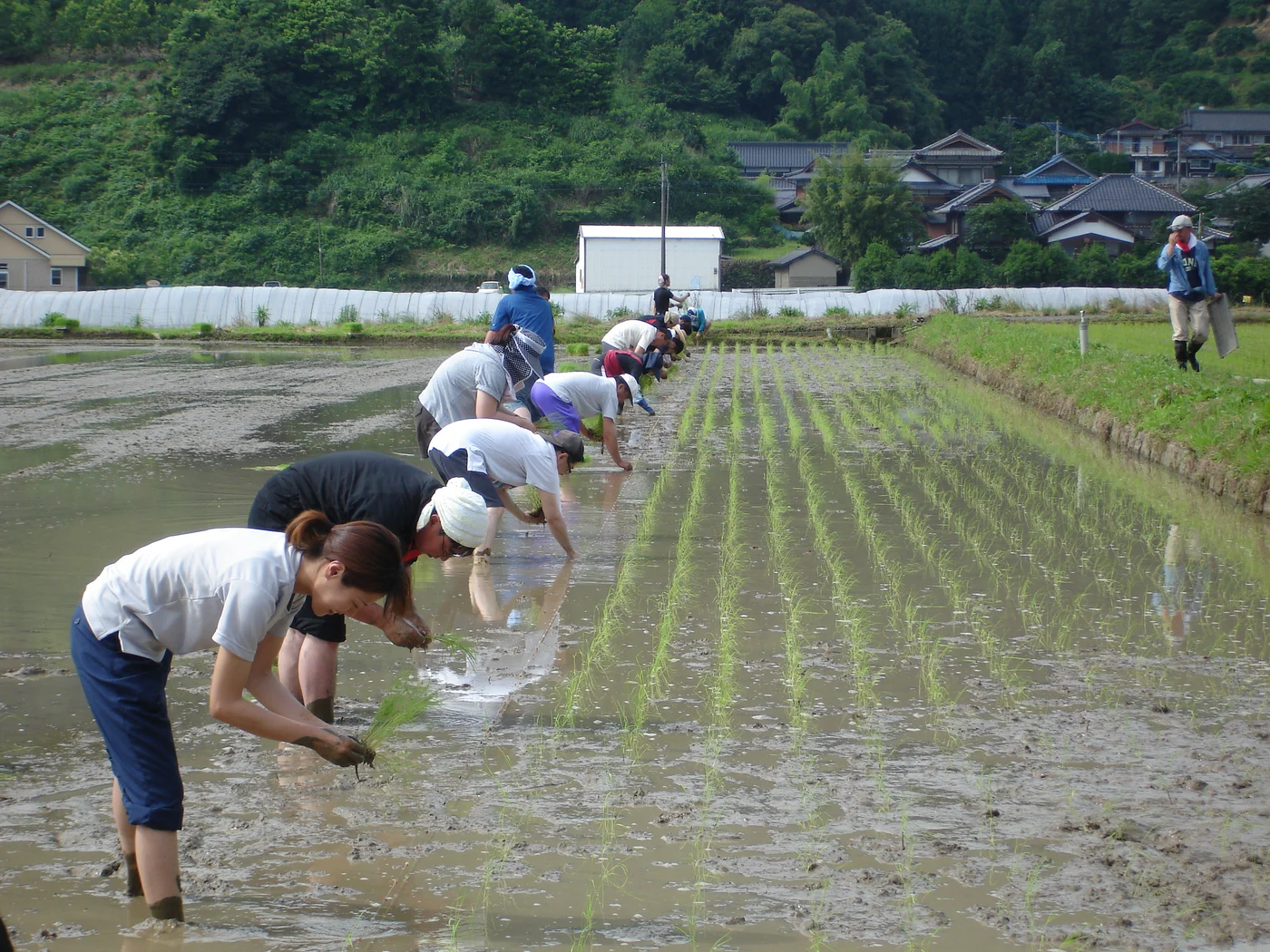
Rice planting, photographed by the brewery.
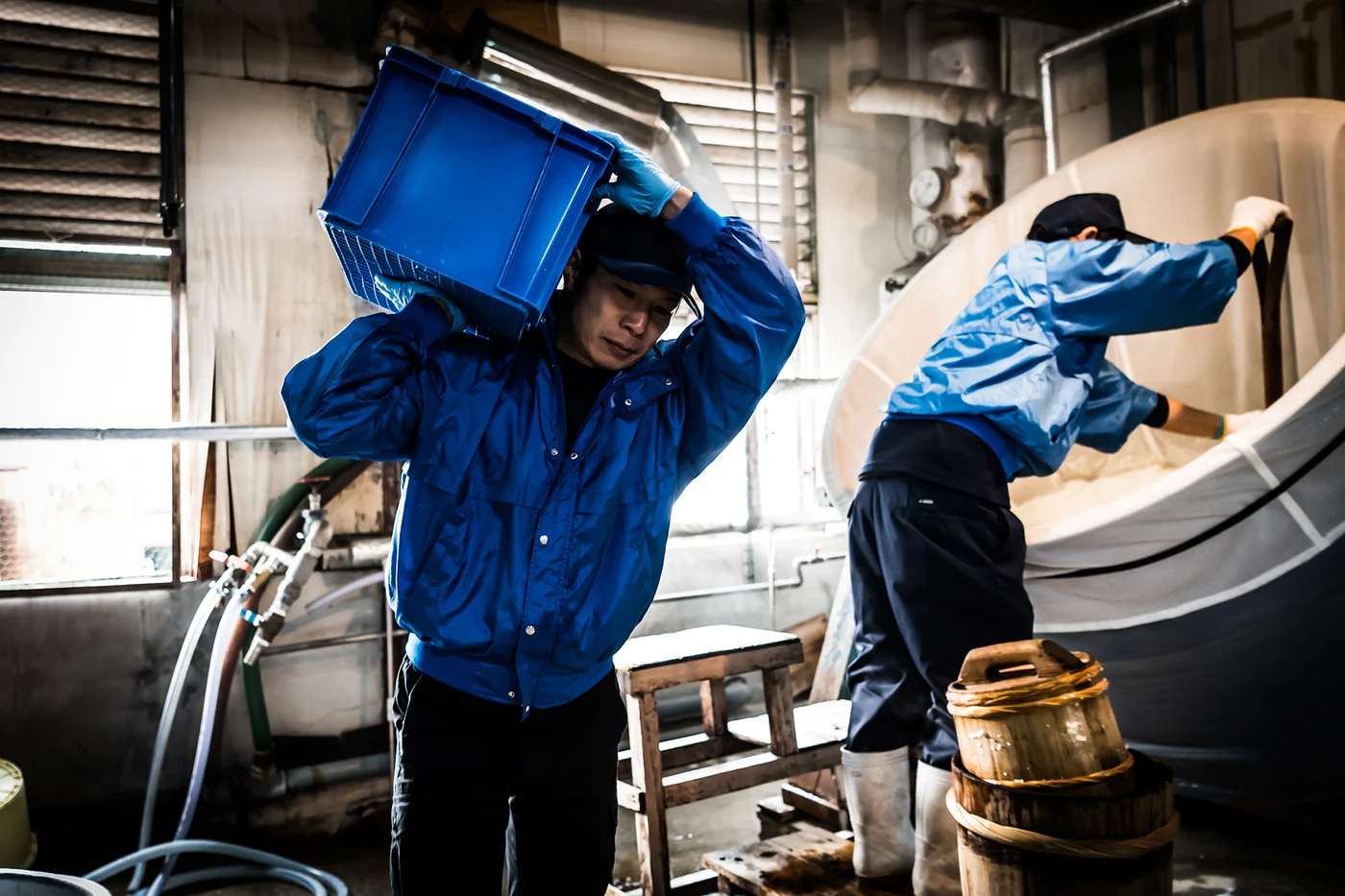
Steamed rice is prepared for the next stage of brewing.
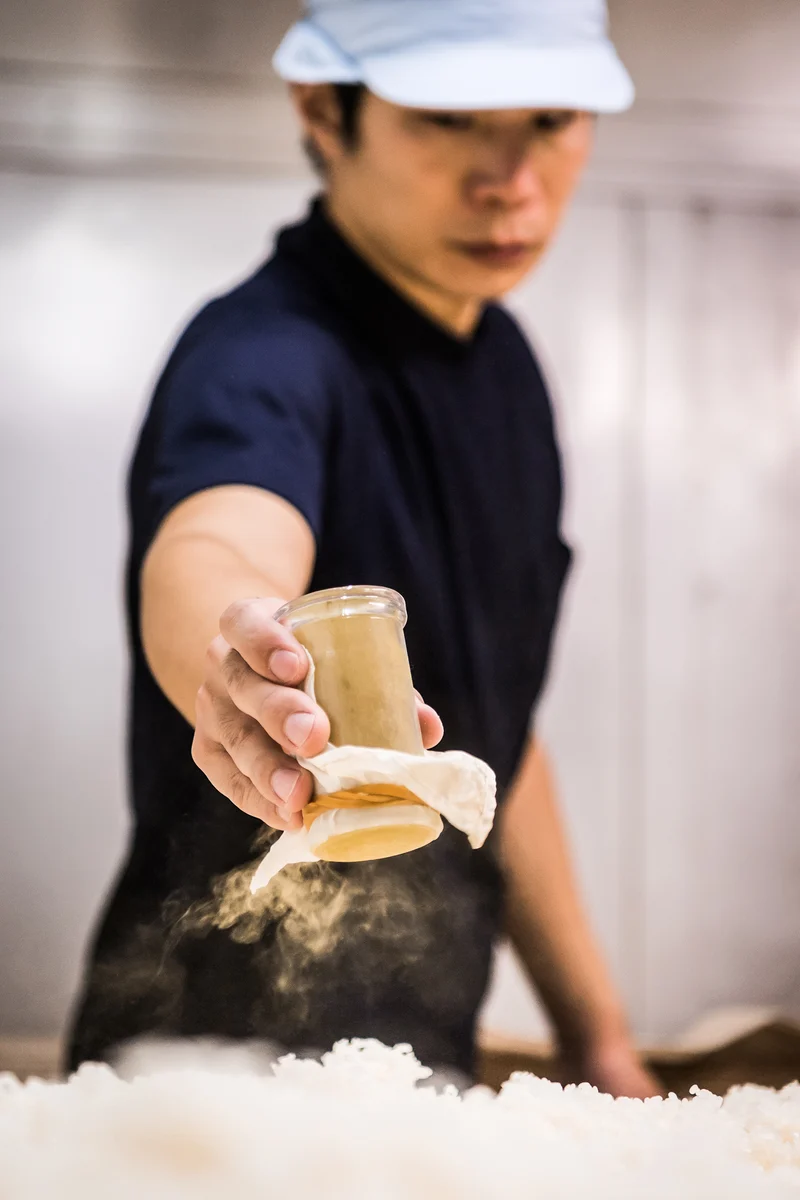
Careful kōji making develops the enzymes that unlock rice starch.
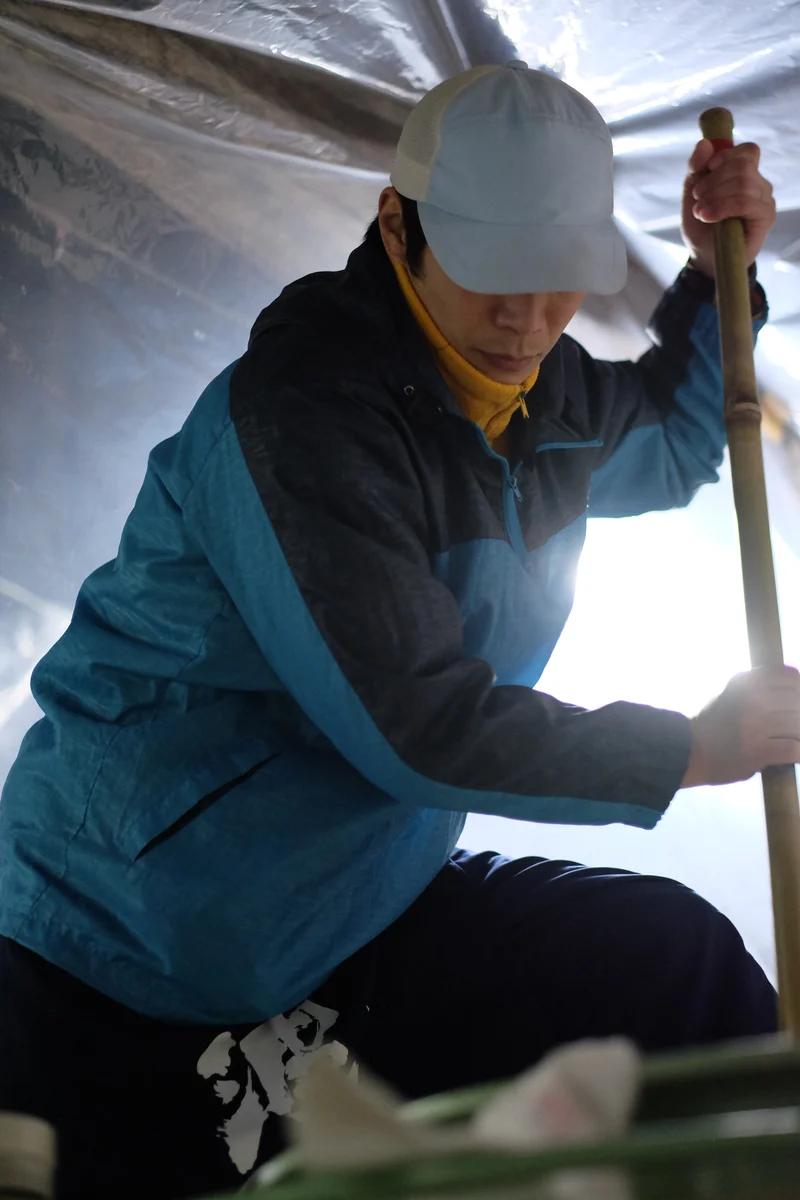
The brewery team tends the fermentation.
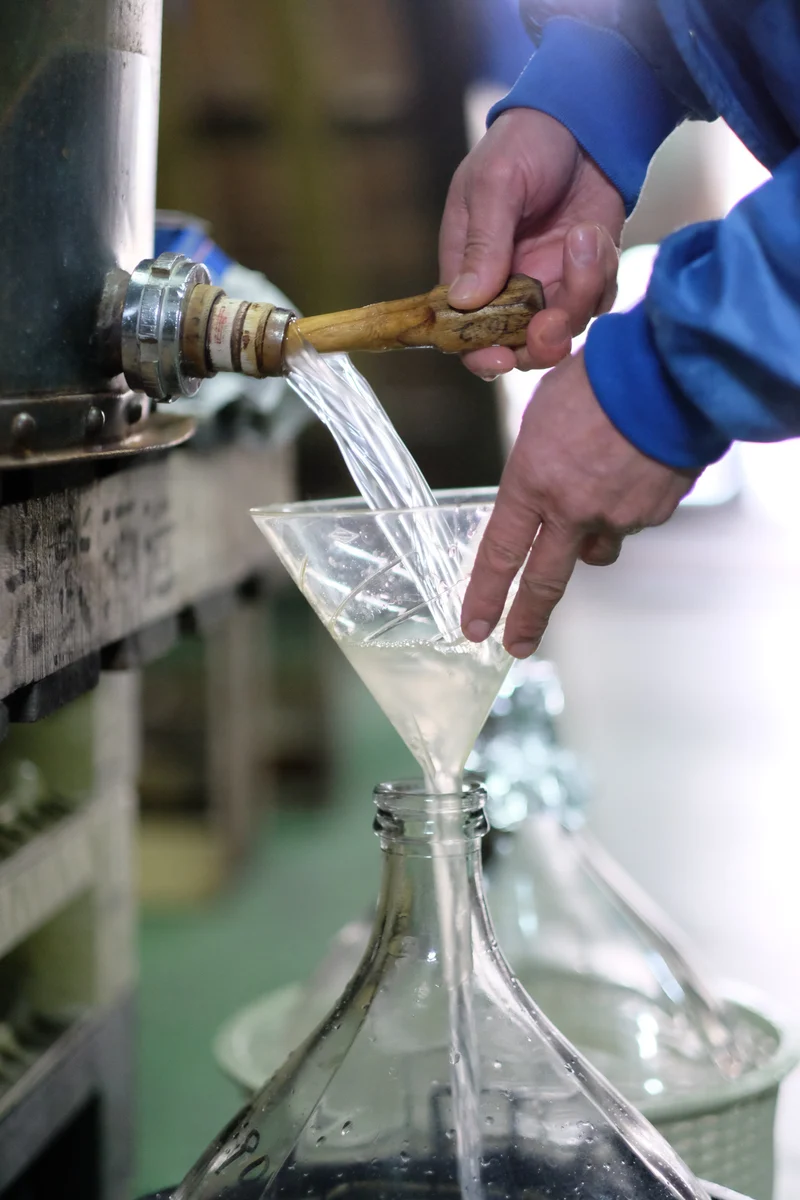
Separating the finished sake from the rice solids.
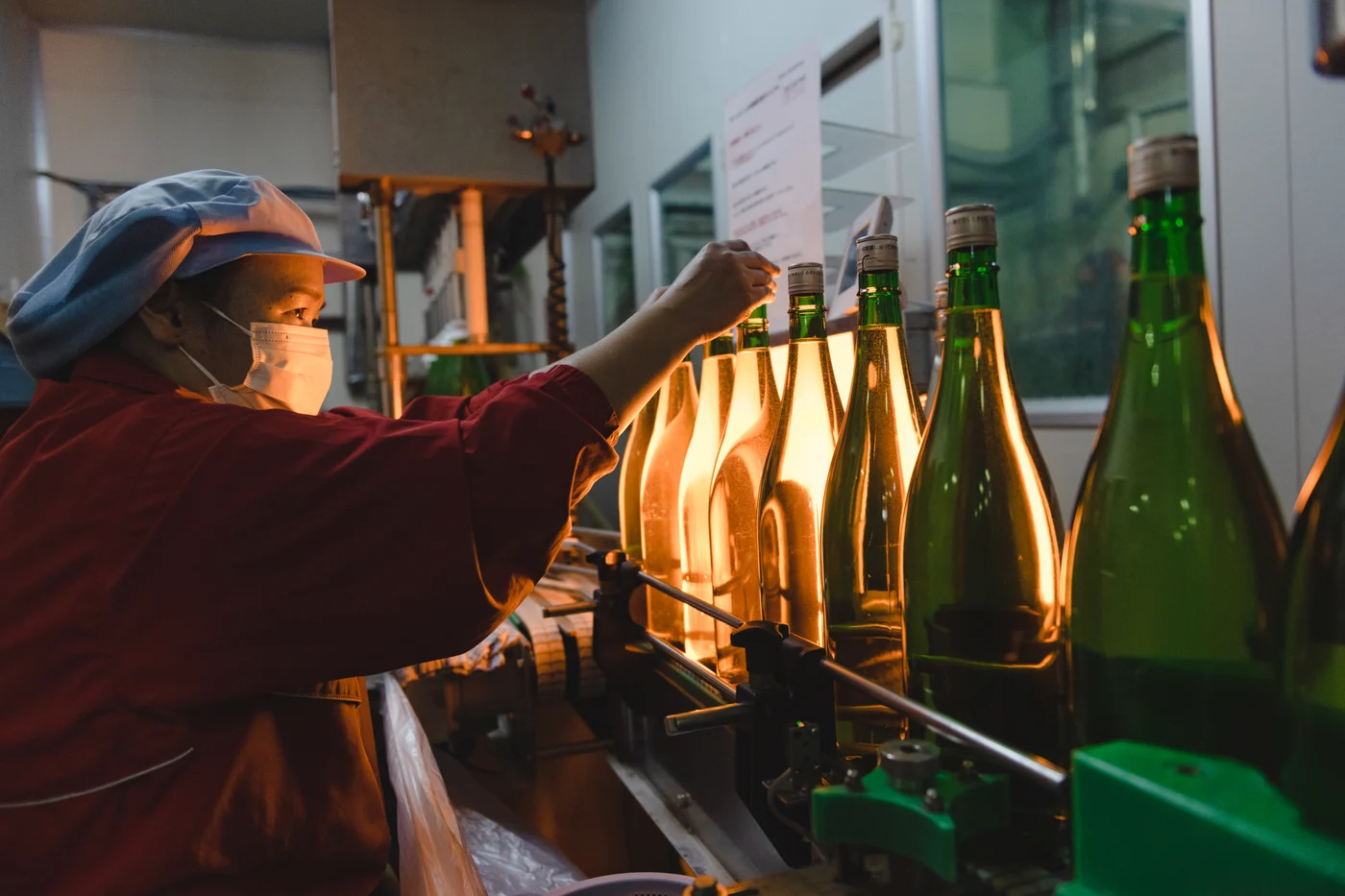
Checking the bottles before they leave the brewery.
03 · Styles
Understanding
the label.
Junmai
Made from rice, water, koji and yeast without added distilled alcohol. Often valued for depth, structure and food compatibility.
Ginjo & Daiginjo
More highly polished rice and careful low-temperature fermentation typically produce lighter, more aromatic sake. Daiginjo requires at least half of each rice grain to be polished away.
Kijoshu
Part of the brewing water is replaced with sake, creating a richer, sweeter and more concentrated style.
Rice polishing ratio tells you how much of the original grain remains: 55% means 45% has been polished away.
04 · Stories & culture
Culture in
every cup.
Kanpai
The shared toast marks the beginning of a meal or gathering. Wait until everyone has a drink, raise the cup, say kanpai, and take a sip—a small ritual that turns separate glasses into a shared occasion.
A drink for the seasons
Freshly pressed shinshu arrives in winter; spring brings celebratory drinking beneath cherry blossom; summer favours bright chilled styles; autumn’s rested hiyaoroshi returns with rounded maturity.
Pouring for others
At a shared Japanese table, people traditionally pour sake for one another. It is not a rule for modern drinking, but it captures something essential about sake: attentiveness to the people around the table.
05 · How to enjoy
No rigid rules.
Chilled, at room temperature or gently warmed; in a wine glass, ceramic cup or simple tumbler.
Warm it gently
A quiet winter evening, a few shared dishes and a small ceramic cup: gently warmed sake brings a comforting rhythm to the table.
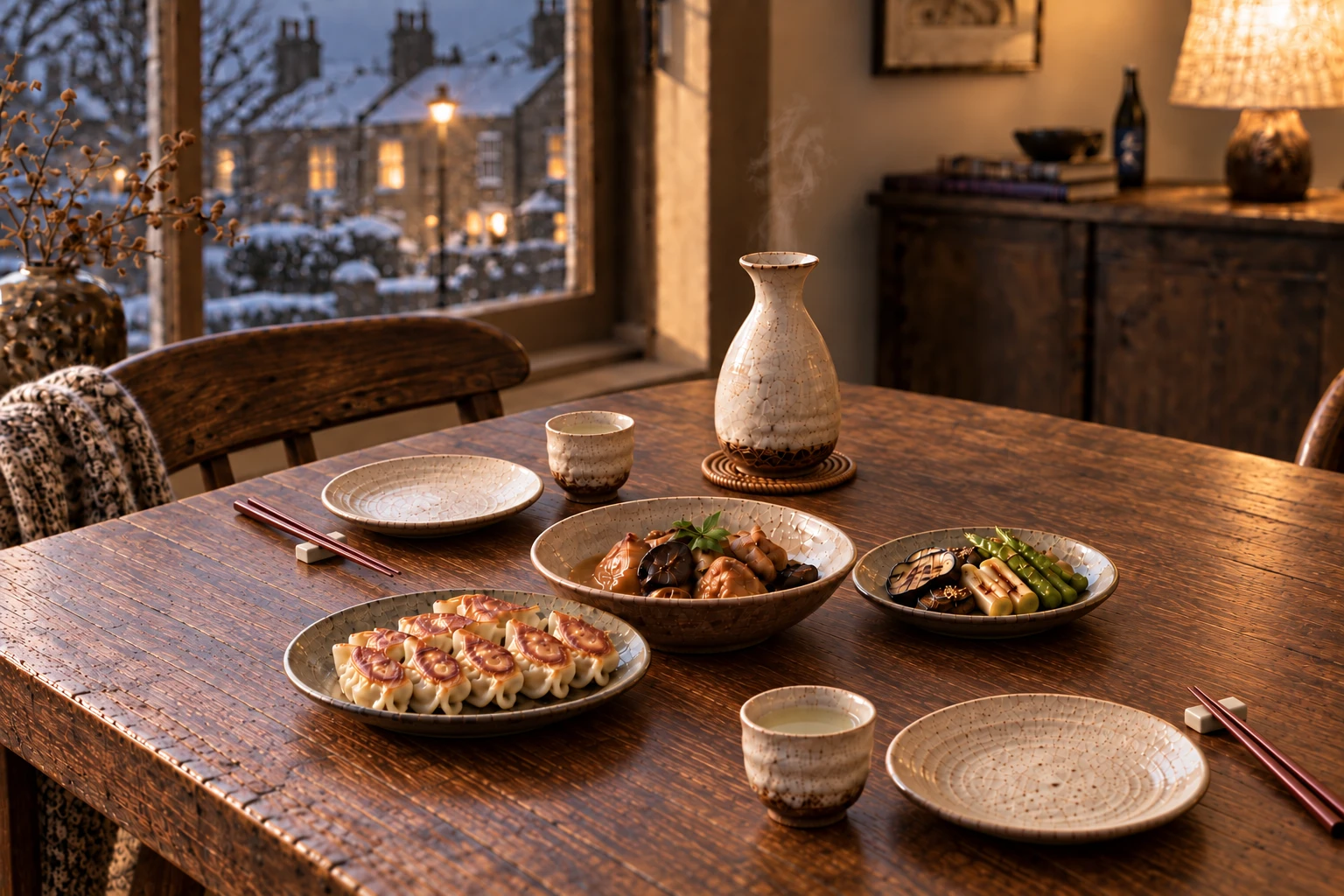
Pour sake into a heatproof ceramic flask and stand it in a pan of hot water, keeping the water below the neck. Take the pan off the heat and let the sake warm gradually. Check the sake with a thermometer and start around 35–45°C; avoid boiling it.
Enjoy it chilled
For a sunny lunch or relaxed aperitif, serve sake chilled in small, thin-rimmed glasses. Start around 5–15°C and let it open up gently as you sip. Try our Junmai Ginjo Mitsutake alongside seafood or light starters.
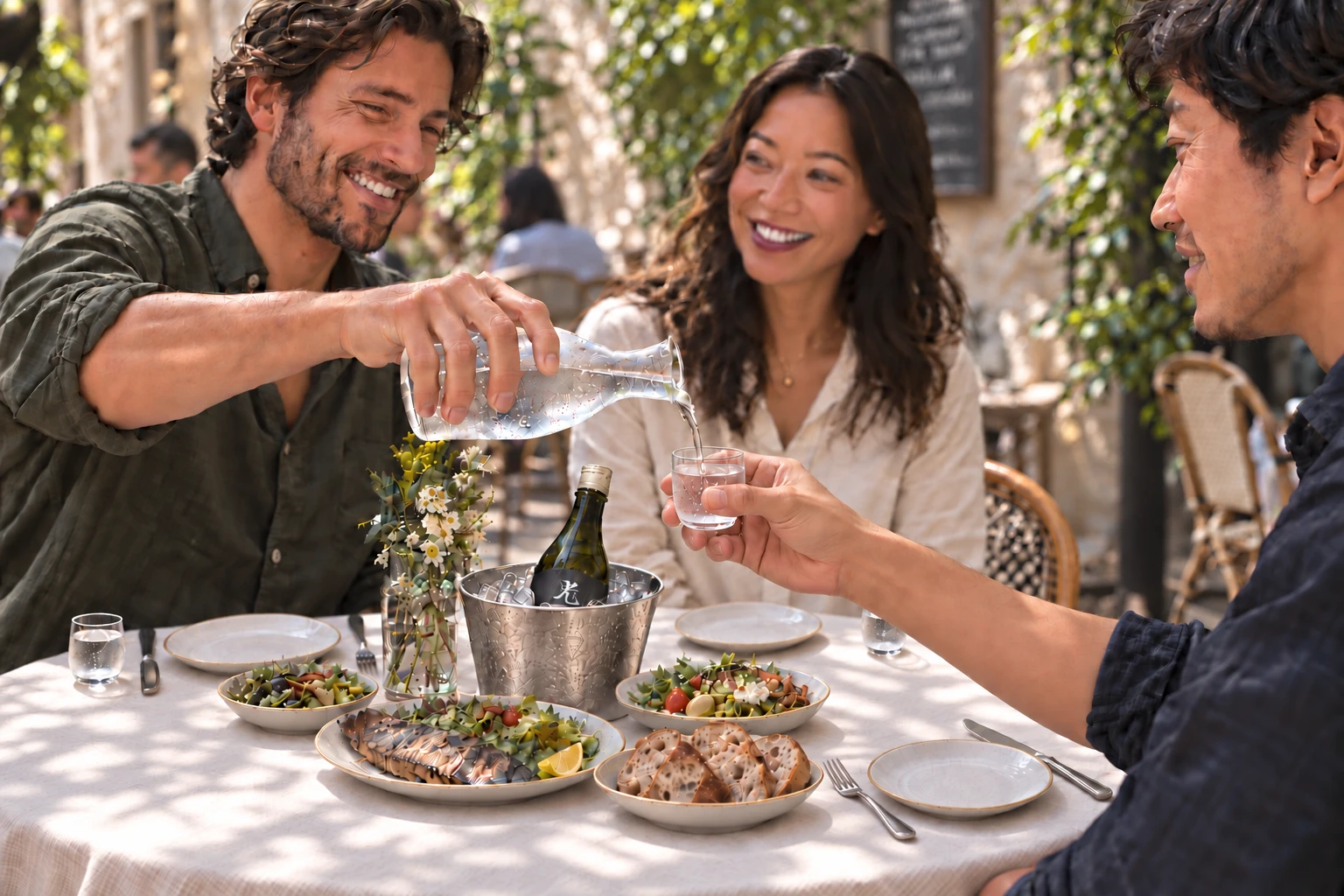
Think beyond Sushi
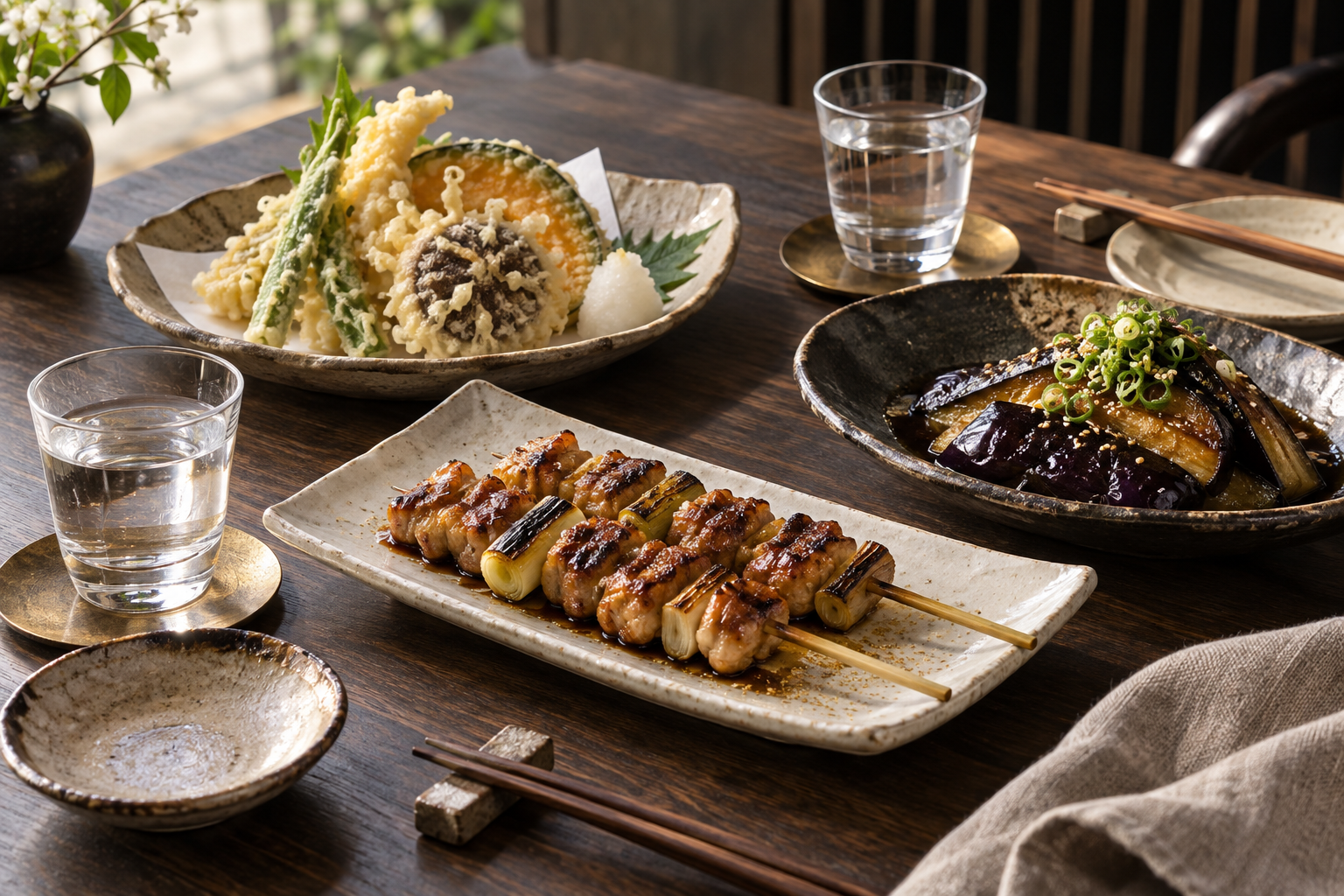
Start with flavour, texture and richness rather than the cuisine. Sake feels as at home with Japanese small plates as it does at a European wine bistro. Try these combinations and follow your own taste.
- Fresh and aromatic
Try ginjo with sea bream sashimi or a light tofu salad; at a bistro, explore scallop carpaccio or a fresh goat’s cheese salad. - Dry and clean
Try a dry junmai with vegetable tempura, salt-grilled fish or yakitori; alongside bistro food, try fried whitebait or crisp potato croquettes. - Rounded and savoury
Try fuller junmai with miso aubergine, grilled shiitake or pork gyoza; then explore roast chicken, mushroom toast or aged Comté. - Rich and sweet
Try kijoshu or umeshu with a Japanese cheesecake or fruit dessert; at a bistro, explore blue cheese, pâté or a pear tart.
06 · Care
Keep it fresh.
Store unopened sake upright in a cool, dark place away from heat and strong light. Once opened, reseal and refrigerate. Delicate aromatic styles are usually best enjoyed sooner; richer styles may remain expressive for longer.